In the previous post I concluded that because of constraints on land, time, and storage space, and because of the eating problems that can develop from a monotonous diet, my complete diet design for a vegan diet in my climate isn’t practical. Let’s take a look at the various factors feeding into its impracticality and on that basis decide what kind of a backyard garden better fits reality for most people in temperate climates.
One of the reasons the complete diet garden meme has gotten as much traction as it has is because the organization that first developed and promoted it, Ecology Action, is located in Willits, California. The USDA has developed zone maps to show the average minimum temperature of any part of the US. The coldest USDA zone found in Ecology Action’s zip code, 95490, is 8b, with an average annual minimum temperature of 15 to 20F / minus 9 to minus 7C. Much of it is in zone 9a, with an average annual minimum temperature of 20 to 25F / minus 7 to minus 4C. For comparison, I live in zone 6b, with an average annual minimum temperature of minus 5 to 0F / minus 21 to minus 18C.
December 2021 was St. Louis’ third warmest December on record, with a minimum temperature matching zone 9a portions of Willits’ zip code. For the entire month I harvested greens from my outdoor garden because it didn’t get cold enough to kill them. If it had dropped to zone 8b conditions I still could have harvested the hardier greens like kale and arugula during the entire month. If I could leave many plants in the garden until they begin bolting in spring as Ecology Action can in Willits, that would save the time otherwise required to harvest and process them for storage as well as the space and cost requirements of storing them. Those of you who live in climates where you can garden year round in open gardens can grow a larger fraction of the foods that you eat with a lower investment of time than required where I live.
The choice of a vegan diet was a bigger factor in making the garden design impractical, however. Cultures in cold-winter areas include animal foods for calories, protein, and fats because animals can be processed, stored, and eaten during cold weather when plants are mostly dead or dormant. Most cultures in temperate climates raise and/or hunt animals for meat along with practicing gardening and agriculture for plant foods. Cultures with very short growing seasons rely heavily on animal foods. Animals convert plant foods that we cannot eat, like grasses, into animal flesh that we can eat. Because Mike and I eat animal foods for protein, I do not need to grow a high fraction of protein-dense crops in my garden. Not over-eating animal foods and buying them as often as possible direct from area ranchers, or from a grocer who buys them direct from area ranchers, keeps the cost reasonable and supports the local economy.
Including large areas of dry corn and dry beans, plants that don’t produce a lot of weight per unit of garden area, in the complete diet design increases the size of the garden and the work associated with it. In a complete diet garden corn and dry beans are included because even though their harvested weight per unit area is low, their calories and protein per unit area are high. Vegans and vegetarians include large quantities of grains and dry beans in their diet to provide them with enough calories and protein, and omnivores also eat grains and dry beans. But there is another option for growing grains and dry beans other than in small backyard gardens.
Grains, especially corn, and dry beans don’t need the daily attention that a garden with lots of different kinds of vegetables does. In my hot-summer climate, as long as corn is planted when the soil temperature suits it (late April and throughout May), it germinates and grows tall rapidly. It can outgrow shorter weeds and still be productive. The ears dry down at about the same time so it only needs to be harvested once. If it’s grown at the right spacing it can be grown on the water that rain provides. Dry beans need a little more attention but not that much more. This is why, when you drive through the US Midwest, you’ll see vast fields of corn and soybeans between towns and cities but no fields of, say, lettuce or tomatoes, except in very small farms at the edges of cities. The same holds true for cultures with much less fossil fuel energy-dependent farming methods such as the Amish. Drive through the Amish areas of Ohio, for instance, and you’ll see a patchwork of fields of grains or beans and pastures for large animals extending between the houses. Near the houses you’ll see gardens of mixed vegetables and perhaps some fruit trees, and you might also see a chicken coop or beehives or other small animal housing. The large fields are worked with horse-drawn implements, while the mixed gardens near the house are grown and maintained with human labor and their products go straight to the kitchen for eating or preserving. This mix of field agriculture, small home gardens, and animal husbandry is common within cultures in temperate climates. It allows for a combination of human and animal labor to grow vegetables, fruits, grains, and animal foods with little if any contribution from fossil fueled tools. The Amish enjoy a wide variety of plant foods over the growing season and beyond because their home gardens and fruit trees include a wide variety of plants that reward time and attention. They can also provide most of the calories, protein, and fats that they need from their fields and animals. Anyone who lives in a temperate climate and is interested in growing a large fraction of their food is well advised to study their example – and to remember that the Amish live with fewer material goods than most of us and swap time spent at corporate jobs, the daily commute, and the internet and tv for time spent in fields and gardens and on housework, on child and elder care, and on small home-based businesses.
Another consideration that favors fields of grains and beans away from trees and greenbelts is reducing losses to mammal pests. My entire 2021 crop of popcorn was eaten by squirrels long before any of the ears were ready for harvest because my yard and the nearby yards have many large trees that provide squirrels with shelter and food. The squirrels probably considered the popcorn a source of variety in their diet. I don’t have enough clear space around the garden to discourage squirrels from entering it for fear their predators will find and eat them first. But a farm can be set up with such a clear space surrounding the fields. The bigger the field is, the less likely that any mammal predator will cause significant yield losses. My vegetable and potato crops, on the other hand, have little trouble with predators – other than me, of course.
For those of us like Mike and me who live on urban and suburban lots, it doesn’t make sense to grow enough grains or dry beans to make a big dent in our calorie or protein needs. Even if we have enough land for it – and most of us don’t – the nature of our lives doesn’t reward the time and effort required. Grains and dry beans are easy to find at a reasonable cost at grocery stores. The Asian grocers in the St. Louis region always have 25 and 50 pound bags of rice and 4 pound bags or boxes of dry beans and peas on hand. Other ethnic grocers carry different kinds of bulk grains and dry beans. Online sources of bulk grains and dry beans are also available.
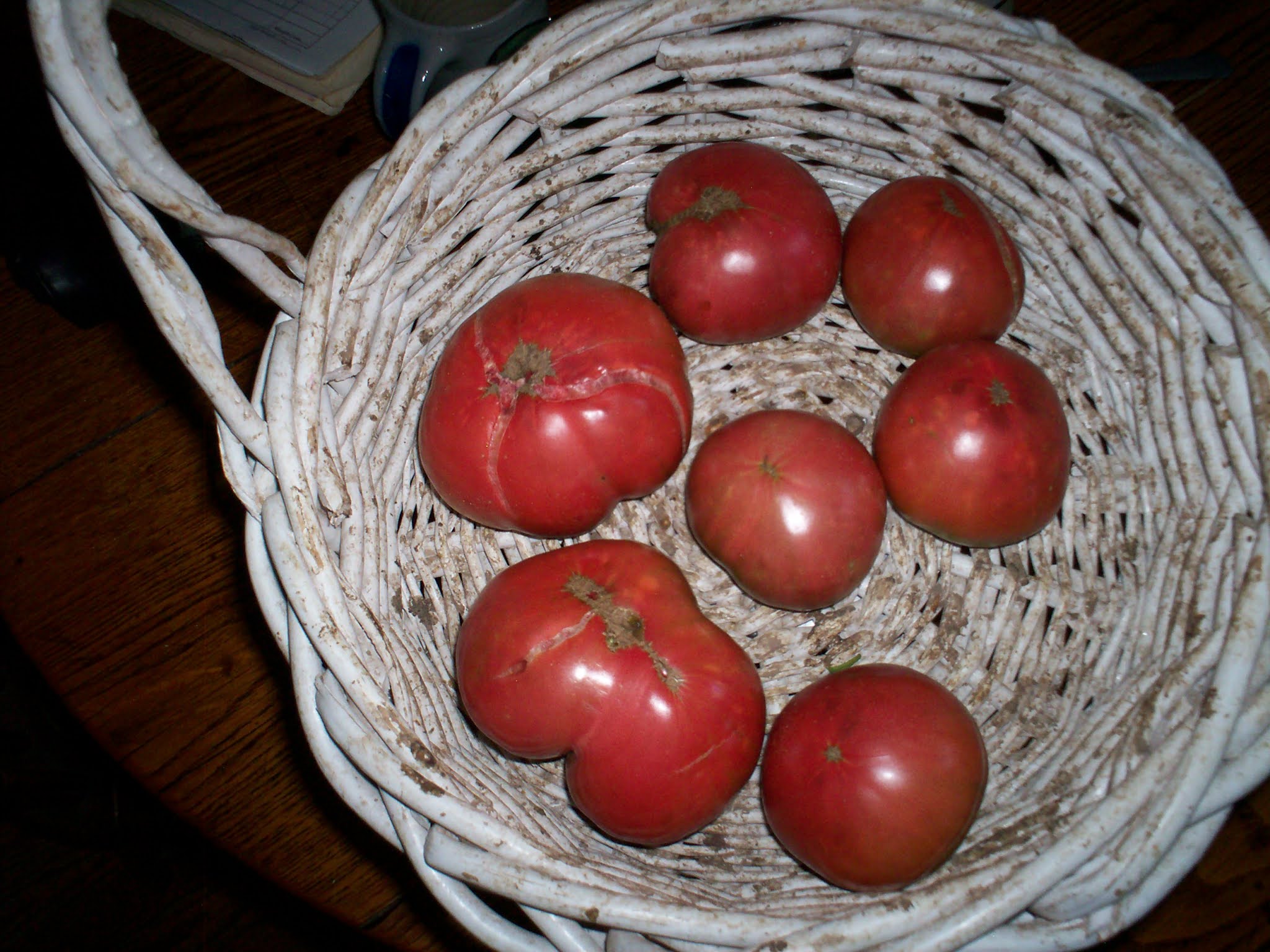
Putting all of this together, it suggests that the best way to garden in a back yard is the way that people have gardened in them all along: growing high value vegetable and fruit crops for fresh use and/or preservation in small plots that offer the gardener a chance to work in harmony in nature while allowing time for the rest of the gardener’s life. Depending on the gardener’s time and interest and the conditions of the available space, a backyard garden might contain only a few crops that the gardener especially enjoys growing and eating fresh, such as tomatoes. It might include specialty crops or special varieties of more common crops that the gardener cannot obtain at the grocery store or through farmers markets, such as those used in particular cuisines. It might be sized for preserving certain crops by canning, drying, fermenting, and/or juicing or wine-making. It might be something like my own garden, which provides a wide variety of crops during most of the growing season for primarily fresh use or low-tech storage. And so on. The backyard garden isn’t a substitute for a farm but a supplement to it that can give its practitioners high quality, high nutrition, delicious fresh vegetables and fruits produced at home, where they can be lovingly cared for and enhance the gardener’s life through working with nature as well as through the enjoyment of eating what is grown and its positive effects on health.
In the next post I’ll share my 2021 gardening results and what questions I’ll ask the garden in 2022.