Monday, January 25, 2021

What the 2020 garden told me


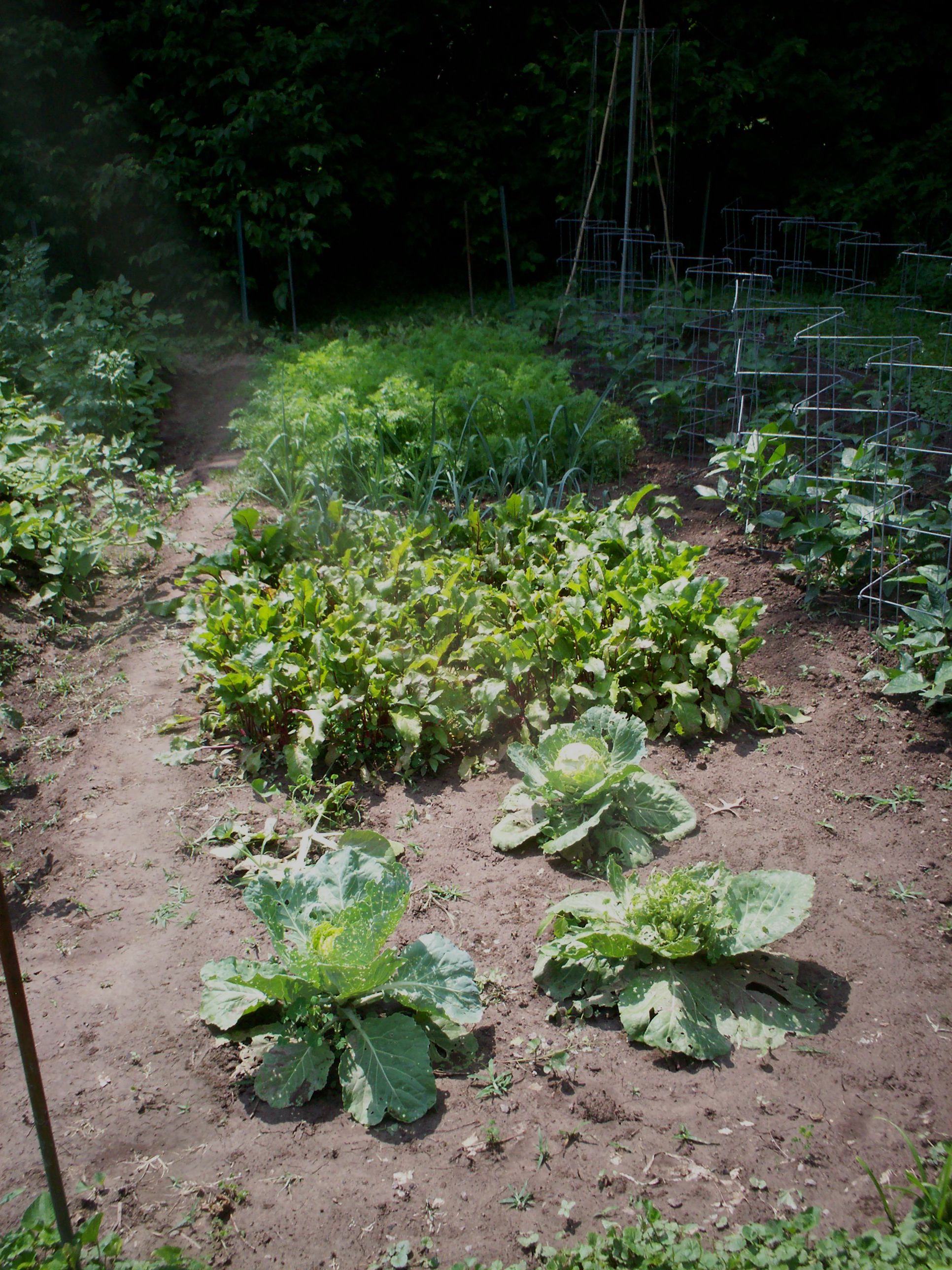
The garden on June 20, 2020

In this post from last year, I discussed why I asked the 2020 garden what the effect would be of replacing my previous source of garden nitrogen, cottonseed meal, with urine. I also described a psychological issue associated with safely using urine and referenced this 2019 post for information on potential environmental and health hazards, and I described how I would collect and apply the urine. Now it’s time to let you know how the garden answered my question.


When I wrote the post last February, COVID-19 was in the US but not yet widespread. By the time the growing season began, Mike and I, along with most people in the US, were under some form of lock-down. COVID-19 can be carried in both urine and feces. If I knew I had COVID-19, I would not used my urine on the garden, just as I would not have used it if I had any of the other diseases whose infectious agents can be spread through urine. As it happened, I have not experienced symptoms of COVID-19, nor has anyone told me they exposed me to it, so I felt it was safe to fertilize with urine throughout the growing season. As the 2019 post notes, there is as close to no chance as I can imagine that any urine would find its way outside of our property to be a health hazard to anyone.


I decided to apply urine to all of the vegetable and grain beds to replace all of the cottonseed meal I would have otherwise used. Thus I did not have any control beds in which I used cottonseed meal rather than urine. In order to have space for control beds I would have needed to expand the garden into areas covered with grass and weeds and unprotected from rabbits. This would have introduced variability in newly gardened versus previously gardened soil, variability in rabbit pressure, and a reduction in the time I spent on each garden bed compared to what I have done in past years, which would have made it harder to compare this year’s yields to those of previous years. Instead, I compared the yields I obtained in 2020 to the best yield I obtained for each of the varieties over the past six years, after I had settled on Steve Solomon’s re-mineralization practice and the spacing for all the crops that I grow. The only exception was for soybeans, because the last time I grew them before 2020 was in 2011. Hence I compared the soybean yield with a different variety grown in 2011 using the same spacing between stations but more seeds per station.


When I began collecting urine I used the same system as I had used in 2019: I urinated into a urinal and then transferred the contents of the urinal to a 2 gallon bucket. The next morning I emptied the collected urine from the bucket into a sprinkling can, added water to fill the sprinkling can, and applied the diluted urine directly to the bed, on top of the plants in it. However, I soon grew weary of leakage around the edges of the urinal. For those of you with flexible appendages to deliver urine, many possible ways to collect urine without making a mess suggest themselves. For those of us who, like me, lack such appendages, avoiding messes when using a urinal is more difficult. Fortunately we have a camp toilet, inherited from my father-in-law.


 The camp toilet, with the lid open to show its resemblance to a water-flush toilet. A sliding valve at the bottom allows the urine to drain by gravity into the bottom container and that container to be sealed off between uses. I collected and composted the toilet paper I used.


Side view of the camp toilet. The top chamber unbuckles from the bottom chamber so that the urine collected in the bottom container can be emptied into a sprinkling can.


Using the camp toilet to collect the urine removed the mess factor from the collection experience. Each morning I poured the urine collected the previous day into the sprinkling can, diluted the urine with water to fill the can, and then sprinkled the urine onto the bed and the plants it contained, following it with a sprinkling can of water to wash the diluted urine off the plants and onto the soil. As in 2019, I collected urine only when urinating was all I was doing, and I only collected it during the day because the camp toilet was located in our basement and I had no desire to descend the steps into the basement when I had to urinate overnight. Thus I collected perhaps two-thirds to three-quarters of the total urine I produced in a 24 hour period, but I calculated how much urine to add to each bed as if I had collected all of the urine I produced in a day.


To calculate how much urine to apply to each bed, I proceeded similarly to the calculation for the 2019 corn bed experiment. The daily urine production of the averages adult contains about 0.024 pounds of nitrogen. My growing season is about 180 to 200 days long. Using 180 days for my growing season, if I collect urine every day and apply all of it over the course of the growing season:


180 days * 0.024 pounds of nitrogen per day = 4.3 pounds of nitrogen


According to Solomon, cottonseed meal is 6% nitrogen, and he recommends applying 6 pounds of nitrogen to a 100 square foot bed (twice that for potatoes). Thus the amount of nitrogen applied via cottonseed meal is:


6 pounds * 0.06 = 0.36 pounds of added nitrogen to a 100 square foot bed

12 pounds * 0.06 = 0.72 pounds of added nitrogen to a 100 square foot bed of potatoes


Dividing the 4.3 pounds of nitrogen from all the urine I produce in a 180 day growing season by 0.36 pounds of nitrogen needed per bed, that amount of urine will supply all the needed nitrogen for twelve 100 square foot beds.


I grow a total of nine beds of vegetables and grains, two beds of small fruits, and one bed of herbs and flowers in the garden. The latter three beds are not re-mineralized. Since the potato bed needs twice as much nitrogen as the other beds, then I needed to apply urine to the equivalent of 10 beds. I had 12 beds’ worth of urine to apply during the 180 day growing season. Thus I began collecting urine on April 1 and applied the collected urine to bed 1 the next day. That day’s collected urine was applied to bed 2 the following day, with this rotation continuing through bed 6. For bed 10, which held the potatoes, I collected and applied urine two days in a row, then treated beds 11 and 12 as I had treated beds 1 through 6. After applying urine to bed 12, the next day’s urine was collected and applied to the subtropical trees and shrubs I keep in containers. Then I began again with collecting and applying urine to bed 1 and so forth. When the soil was saturated, I did not apply urine, waiting until the soil drained to resume the application sequence. Later in the season I altered the collection and application sequence, as discussed below.


Wood ashes are a potential source to replace all of the calcium and some to all of the potassium required for re-mineralizing garden soil. In 2020 I did not have enough wood ashes on hand to remedy the full deficiency of potassium, and I had an excess of calcium. However, the soil test indicated that magnesium was deficient. Wood ashes contain about 3% magnesium. Therefore I added enough wood ashes to the re-mineralization mix to supply 10% of the magnesium deficiency, as Solomon suggests in the Acid Soil Worksheet. This avoids the risk of having too much magnesium relative to calcium in the garden soil. I made up the remaining potassium deficiency and the deficiencies in the other minerals in the usual way.


Most years the weather has a strong effect on the conversation between the garden and me. But unlike some other aspects of 2020, the weather gave me a break. The last spring frost was on April 18; the first fall frost occurred on October 16, for a growing season of 181 days. April and May were cooler and wetter than normal. June was warmer and drier than normal, while July temperatures were close to normal but accompanied by excessive rainfall. August was cooler and wetter than normal while September was about average in temperature but drier than normal. October was near normal in both temperature and rainfall, while November was warmer than normal with about normal rainfall. Since there was nothing particularly unusual about 2020’s weather (which is the only unusual thing about it), I do not need to take weather into account when discussing what the 2020 garden taught me.


The yields for all the vegetable and grain crops I grew in 2020 are shown in the following figures.


A first glance reveals that the 2020 yields varied compared to the best previous years. To better understand the variability, I considered together the crops grown at different times during the growing season. These fall into the following groups.


Group 1: planted in autumn 2019 for harvest in late spring 2020. This group includes garlic and potato onions.


Group 2: planted in April 2020 for harvest later in spring or in summer. This includes bok choy, cabbage, endive, spring lettuce, and potatoes.


Group 3: planted in April 2020 for harvest in summer and autumn. This includes beets, carrots, and leeks.


Group 4: planted in May and June 2020 for harvest in summer and autumn. This includes pole snap beans, dent corn, cowpeas, cucumbers, eggplant, muskmelon, sweet peppers, soybeans, various squashes, and tomatoes.


Group 5: planted in August 2020 for autumn harvest. This includes arugula, bok choy, Chinese broccoli, Chinese cabbage, kale, fall lettuces, mustard greens, daikon and winter radishes, and turnips.


Within Group 1, yields were around 15% to 25% below the best previous value.


Within Group 2, I ignored endive since it was first grown in 2020. Cabbage and bok choy yields were much below the best previous, by a factor of 3 or more, and the romaine lettuce yield was lower by a factor of about 8. The loose-leaf lettuce yield was about 25% lower than the best previous yield, while the potato yield was about 40% lower than the best previous.


Within Group 3, yields were about 40% less than the best previous for the beets and about 25% lower than the best previous for leeks. For the carrots, compared to the same variety the 2020 yield was about 15% lower, but it was much lower than for the other variety shown.


Within Group 4, the 2020 yield of dent corn was about half of the best previous, and the 2020 yield of cowpeas was about 75% lower than the best yield (but of a different variety). On the other hand, the pole snap bean yielded better in 2020 than in 2019, though not as well as a different variety. The soybean yielded about half as much as a different variety planted with more seeds per station in 2011.


The 2020 cucumber yield was higher than the best previous for both the May and June plantings. The 2020 muskmelon and winter squash yields were much lower than the best previous. One of the zucchini varieties yielded poorly but the other one yielded about two-thirds of the best previous (of a different variety). The ‘Desi’ summer squash yielded as well as the better of the two zucchini varieties grown in 2020.


The three sweet pepper varieties yielded 10-25% lower in 2020 compared to the best years, while two of the four tomato varieties matched their best yields from previous years and the eggplant variety yielded better than a different variety.


Within Group 5, the bok choy variety doubled its best previous yield, and a different variety of Chinese cabbage yielded almost a factor of 4 more than in previous years. The kale variety also outperformed the previous best yield of a different variety; the same held true for the two mustard varieties grown in 2020. On the other hand, the 2020 yields of arugula, daikon and winter radishes, and turnips were all below the best previous yields.


What can we learn from this data? The first thing to notice is that overall yields were comparable to, though somewhat lower than, the best previous year. The total weight of the crops harvested in 2020 was 560 pounds, bested only by 2015’s total of 687 pounds and considerably exceeding 2016 and 2018 (about 390 pounds each).


Within the groups, only in Groups 4 and 5 did some, but not all, of the crops grown match or exceed the best previous yields. All other crops yielded below the best previous, some by a large factor.


By June of 2020, as I observed the slow growth of the cabbages compared to previous years, I began to suspect that rotating applications of urine across the entire garden meant that I had not applied sufficient nitrogen to shorter-maturity crops like the spring greens. I also wondered if applying urine before I planted a crop meant that the urine I applied before planting did not contribute to growth of the crop. The following figure gives the bed number, the crop(s) planted in that bed, when the crop(s) were planted, the days on which urine was applied to that bed, the total amount of nitrogen contained in the applied urine, and how much of the nitrogen was applied while the crop was present in that bed. 


With the results from the figure in hand, let us look at our five groups of crops again. My hypothesis is that for crops which received 0.36 pounds or more of N from urine while they were in the ground (0.72 pounds for potatoes), the yield would be about the same as for previous years. Crops which received significantly less than this while they were in the ground would yield lower than in previous years.


Group 1 (bed 4): when I planted the potato onions and garlic in early November of 2019, I added a quarter of the usual amount of cottonseed meal, which contained about 0.09 pounds of nitrogen. This was to give them a good start, as they begin to grow after planting and pick up growing again in early spring, before I began applying the urine. Thus the total nitrogen applied was 0.23 pounds, about 63% of the amount that I intended to apply. As hypothesized, observed yield is lower than the best previous yield.


Group 2 (beds 10 and 11): the potatoes and the spring greens received significantly less nitrogen than intended (the spring greens received only about half as much nitrogen), and the yields were less than the best previous yields, as hypothesized.


Group 3 (bed 11): while these beds received more nitrogen in urine than from cottonseed meal, they yielded less well than the best previous. There were other gardening issues with these crops that I believe contributed to the lower yields. I did not keep up with removing weeds in this bed after I harvested the spring greens; thus I suspect that the weeds used some of the nitrogen and minerals that I had meant for the crops. The weeds also shaded the crops to an extent, reducing their productivity. I did not thin the carrots or the beets, which caused overcrowding, another factor that may have contributed to reduced yields. Finally, many of the carrots in the carrot patch rotted over the summer, reducing the carrot yield.


Group 4 (beds 1-3, the summer planting of bed 4, beds 5 and 6, and bed 12): I will take a closer look at the various beds and their crops below.


Beds 1, 2, and 3 all grew corn and pumpkins. All were planted on the same date; all received some of the urine before planting. As hypothesized, because the amount of nitrogen applied after planting was about 52% of the amount I calculated would be required, the yield was lower than that obtained the previous year. I also note that some of the stalks lodged (fell over) in July after applying urine, and more lodged during a windstorm. Ears of corn that lay on or near the ground were predated on, presumably by small mammals. I suspect this accounted for some of the yield loss, but I believe that the lower than intended amount of urine accounted for a large part of the yield loss. This is bolstered by the 2019 results, when all of the intended nitrogen was applied to the corn bed to which I applied urine, and which yielded as much as the two beds to which cottonseed meal was applied for nitrogen.


The summer planting of bed 4 did not receive as much nitrogen from urine as intended. It was, however, sufficient to grow a much higher yield of cucumbers than I obtained from the same variety planted at about the same time in 2019, as well as about half the yield of soybeans compared to a variety planted more densely (same spacing but more seeds per station) in 2011. Possibly using the intended amount of urine would result in higher yields for both of these crops. The zucchini variety planted at this time yielded poorly, and did not perform well in the main crop planting in 2019. I will not grow this variety again, as it seems poorly suited to my conditions.


Beds 5 and 6 both received some urine before planting, but the total amount received after planting was about 80% of that intended. Compared to the same varieties grown in previous years, the cucumbers yielded more, two of the tomatoes yielded about the same, the peppers yielded somewhat less, and the melons and squash yielded much less. This suggests that factors other than the amount of nitrogen applied affected some of these crops. However, because some of them yielded as well or better than previously, this suggests that urine can supply all the nitrogen these crops need when enough of it is applied.


Bed 12 contained legumes: lima beans, cowpeas, and pole green beans. Only the last was the same variety as grown previously. While it yielded more in 2020 than in 2019, other factors need to be considered. In July 2019 a rabbit fed on some of the plants as they began to vine, setting them behind in growth. Also, I had not added any re-mineralization mix to the legume bed in 2019, because legumes can supply their own nitrogen through rhizobacteria in root nodules, and to conserve on the re-mineralization mix. I did not remember this until late July of 2020, after which I ceased applying urine; the 2020 legume bed received the same re-mineralization mix as the other beds. I cannot untangle the effect of the urine from the other factors discussed.


Group 5 (bed 10, planted 8/23/20): this bed received more than the amount of nitrogen I had intended to give it. This was in part due to a lessening need for urine on other beds as I finished harvesting from them, and in part because I made sure to apply at least as much as I had calculated it needed. Notice that all of the leaf crops except for arugula out-performed the previous best yield, but none of the root crops did so. One possible explanation is that I did a better job of thinning the leaf crops than the root crops. Because I left too many roots in each row for too long, they competed with each other, so that I harvested too many small roots rather than the larger roots that are easier to use in the kitchen. Another possibility is that the ratio of nitrogen to phosphorus and potassium became too large; the latter two are needed for good root growth, so that the turnips and radishes may have grown their leaves at the expense of their roots.


Overall, considering that I did not apply enough urine to fully meet the needs of most of the crops, the 2020 yields are high enough to justify continuing to use urine in place of cottonseed meal for most of the crops that I grow. I will need to adjust the application schedule to ensure that I apply enough urine to each crop I use it on to replace all of the nitrogen that had been met by applying cottonseed meal in past years. The details of that schedule are yet to be worked out; when it is available, I will post it here, as well as anything else I want to share about what I’ll ask the garden in 2021. Till then, enjoy life!


Tuesday, December 22, 2020

The garden balancing act


Last time we met, I promised to write about how I have balanced seasonality, size, and opportunity cost in my own garden, and how that balance has changed over time. Now that harvest season is complete and the winter lull has begun, I can live up to that promise.


Before we moved to the land where we have lived for the past 19 years, we lived on a much smaller plot of land, about 1/8 acre (roughly 5000 square feet). By the time I became interested in growing food plants, the only part of the land that was not already planted to something else was the narrow strip of lawn between the north side of the house and the neighboring driveway. I squeezed two 40 square foot beds into this space. Small space and correspondingly low opportunity cost made this a very good first garden, where I learned fundamental lessons on growing and harvesting food to eat. However, its small size also limited it to growing plants that produce well in small spaces, primarily tomatoes, peppers, garlic, lettuce, and salad greens from the cabbage family, plus some herbs and short flowers like nasturtium. Except for a few winter squash grown vertically up a trellis on the north sides of the beds and the leaves I could dry from some herb plants like sage, garden produce was available for eating only from late spring through mid-autumn. I wanted more food over a longer season. The only way to accomplish that goal was to have more land to grow on. So we moved to our current place: a full acre with no more than about 3000 square feet allotted to the house and back porch, patio and sidewalk, driveway, garage, and garden shed. I could grow as big a garden as I could maintain! But how big was that? What mix of crops could provide us with a season-long harvest and some to store? How do I grow crops like corn, cabbage, and autumn greens that I hadn’t had the space or proper conditions to grow before? Answering those questions has taken up a considerable amount of my time for the past 17 years.


In 1999, a few years before we moved here, I attended a three day workshop on the methods in How to Grow More Vegetables (HTGMV), a book describing Ecology Action’s work to make small gardens grow large amount of food. Their famous claim is that it is possible to grow a spare but adequate diet for an entire year for one person in less than 1000 square feet. Such a garden must include a large percentage of calorie crops (primarily grains and starchy tubers) and protein crops (primarily dry beans); only a small percentage can be grown to the green vegetables and other salad crops like tomatoes that most people grow in their gardens.


Now that we had moved to a much larger lot I had the space to grow such a garden. I also had the motivation, because growing some of our food would save us money on our grocery bill, and HTGMV suggested that I could do it in an ecological way, using human-powered tools to work it and my own compost to provide for the plants’ nutrient needs. In 2003 I began to convert some of our lawn area to an Ecology Action-style garden by digging and planting one 100 square foot bed to a mix of corn, potatoes, collards, soybeans, tomatoes, peppers, eggplant, and autumn greens and roots. A smaller bed located underneath an old swing set frame was planted to a variety of spring and summer greens followed by pole beans and squash.


The first thing I learned that year is that rabbits eat most of these crops and that if I wanted to maximize the value of my time in the garden, I needed to fence rabbits out of the garden. The second thing was that I needed to improve my gardening skill level to make the effort worthwhile. The third thing was that if I wanted to get enough food to matter, I needed more garden space.


Over the next decade I continued to add (and fence in) 100 square foot beds that I grew by Ecology Action’s method, keeping track of the yields of each crop I grew. In 2013, when it was apparent that yields of most crops were declining, I changed to Steve Solomon’s gardening methods instead. By then the vegetable garden totaled fifteen 100 square foot beds planted as follows.


1.     Three beds planted to flint corn.

2.     Two beds planted to winter wheat, then squash following the wheat harvest.

3.     One and a half beds planted to potatoes, with the remaining half bed planted to sweet potatoes.

4.     One bed planted to dry bush beans, then to potato onions in November.

5.     One bed planted to shell and snow peas and peanuts.

6.     One bed planted to cowpeas and edamame soybeans.

7.     One bed with overwintered potato onions and garlic, with summer squash, melons, cucumbers, and gourds following.

8.     One bed spring planted to onions and leeks, followed by autumn greens and roots.

9.     One bed planted to carrots, beets, parsley, and cutting celery.

10.  One bed planted to spring and fall lettuces and cabbage-family plants.

11.  One bed planted to peppers, tomatoes, eggplants, basil, tomatillo, ground cherries, and zinnias.


I intended this garden plan to demonstrate a local versionof a southern complete-diet plan for one person, with more crops for wider eating interest at the cost of the larger garden area required. But when I attempted to put it into practice, I ran square into opportunity-cost issues. Simply put, the garden was too large, given my skill level and other commitments, to keep all of it up. Some of the beds did not work as I had hoped that they would. And the portion of it that I could care for did not provide a well spread out yield; sometimes there wasn’t enough food, sometimes there was more food than we could put to good use.


With two decades’ worth of gardening experience by this time, I had learned that for vegetable and small fruit gardening to be enjoyable enough for me to put in the time required for it, I need the following conditions to hold.

1.     I have fresh fruits and/or vegetables available to harvest as early as is consistent with gardening in open beds here in St. Louis (April for sorrel, early May for strawberries, late May for annual crops);

2.     I have something to harvest from then until it becomes cold enough to kill any remaining garden crops (depending on the year, November to December);

3.     I have some harvested food available in short or long term storage that we can eat after the crops die in the garden;

4.     Each bed is planted with crops that grow under the same conditions, and the entire bed is planted on a single day;

5.     Crop rotation can be accomplished by rotating the beds, with at least two full years between plantings of a particular crop family in each of the beds;

6.     I can obtain a high enough yield of each crop to make the time I spend on that crop worthwhile;

7.     We can eat most of what I grow before it rots, and preserve what we can’t eat fresh in a manner appropriate to the time, expertise, and facilities we have available;

8.     The garden as a whole is large enough to provide a substantial fraction of the fruits and vegetables that we eat and some of the grains and dry beans, and small enough that its upkeep fits within the time I have available to care for it.


With those points and three years of gardening experience with Solomon’s methods in mind, in 2016 I reduced the number of beds growing vegetables, roots, herbs, and grains to ten and added one bed each of strawberries and raspberries. Since 2016 the 10 beds growing grains, roots, herbs, and vegetables are planted as follows.


1.     Three beds are planted in the second half of May to early June to a dent corn or popcorn crop, with a hill of pumpkins in the middle of each bed.

2.     One bed is planted in late October to early November to garlic and potato onions. In early to mid-June these are harvested and the bed planted to a mix of cucumbers, summer squash, sunflowers and/or zinnias, and a variety of soybeans used for edamame.

3.     One bed is planted in May to tomatoes, sweet peppers, eggplants, and low growing edible flowers such as nasturtiums and/or signet marigolds.

4.     One bed is planted in May to a mix of summer and winter squash and melons.

5.     One bed is planted to a mix of culinary and medicinal herbs; this is the only bed that is not all planted at the same time, because some of the herbs I grow can tolerate frosts but others cannot. This bed includes a short row of perennial sorrel and some perennial herbs as well as annual herbs. I rotate plants within the bed while the bed itself remains in the same location relative to the other beds.

6.     One bed is planted to potatoes in early to mid-April. The potatoes are harvested in July and the bed is then planted to a mix of autumn greens and roots, most of which are in the cabbage family.

7.     One bed is planted in April to a mix of leeks, beets, carrots, lettuce, cabbage, and bok choy.

8.     One bed is planted in May to a mix of crops in the bean family. In 2020 this included pole green beans, pole lima beans, and bush cowpeas.


I garden primarily for fresh eating and try to avoid growing more of anything than we can eat right away or store short-term in the refrigerator, aside from specific crops that I can store in our living space or in the improvised root cellar and fruits that freeze well to store in the freezer. Winter squash and pumpkins can be stored for a few months in the living area, but they soften and rot before spring comes. Corn, potato onions, garlic, and potatoes can all be stored in the basement, but the potatoes and potato onions will only keep until the following March at best. I store the root crops I harvest in late autumn (beets, turnips, carrots, and radishes) in the root cellar; by March they begin to rot. The leeks do not last more than a month or so in the root cellar, the greens less than that; if we had a larger refrigerator I could keep them longer, but absent that, the best I can do is limit the area I plant to them so that we can eat, freeze, or ferment them before they rot. With only 20 tomato plants, I do not harvest enough tomatoes to can them (not a problem as canning is not something I want to do in hot summer weather); I cook down some tomatoes into tomato sauce and freeze that, amounting to a few pints. Excess strawberries, raspberries, and elderberries are frozen and later made into wine; persimmons, pawpaws, and chestnuts are frozen, then thawed and eaten on demand.


For several of the years between 2003 and 2013 I tried growing cold-tolerant greens inside cold frames or the front porch. Neither effort proved to provide enough food to matter, and what little I grew suffered from aphid attack, a problem I don’t experience in the open garden. As a result I don’t try to grow any food crops over the winter except for the citrus, bay, and rosemary plants that overwinter on the front porch, none of which are not overly troubled by aphids.


To give you a real-life example of what we eat out of season, on December 21 our breakfast included corn mush made from our dent corn and pawpaws that were thawed in the refrigerator and eaten out of hand. Lunch and dinner included a vegetable medley made from frozen peppers and summer squash, and leeks, turnips, daikon radishes, and carrots from storage as well as raw ‘Red Meat’ winter radishes. Mike cooked some of the stored beets for himself (I don’t like them). We ate the last of the stored greens a couple of days previous and the last of the potatoes earlier this month. We still have dried herbs, butternut squash, and pumpkins and their associated seeds in our living space; turnips, leeks, beets, and daikon and winter radishes in the root cellar; tomato sauce, summer squash, sweet and hot peppers, chestnuts, pawpaws, persimmons, and elderberries (the latter four from elsewhere in the yard) in the freezer; and fruit wines, potato onions, garlic, and dent corn and popcorn in the basement. By March all we’ll have left are dried herbs, wines, garlic, dent corn, and popcorn.


The current 1200 square foot garden doesn’t provide anywhere close to what two omnivorous adults eat, though it does supply a substantial amount of food. But how large a proportion of a vegan diet for one adult could it supply? I plan to address that question now that I have several years of yield data to draw on. But first, I have the results from the 2020 garden to discuss, in my next post. Until then, I wish you all a happy 2021!

Saturday, August 1, 2020

The six weeks' want: backyard garden reality


Two posts back, after a friend imagined Mike and me living indefinitely off our backyard garden during the COVID-19 lockdown, I promised to dig more deeply into why that idea is mistaken. Basically it comes down to three interrelated issues: seasonality, space, and opportunity costs. In this post I will examine how these three factors affect the possibilities and reflect the limitations of backyard gardens.

Before I begin, please do not get the idea that I am dismissing backyard gardens! If I did not recognize the continuing value of my own garden to Mike and me, I would not be gardening. At the same time, thinking that all you need to have is a few packages of seed, a shovel, and a gardening book and you will grow more than you can eat whenever you think you will need to is misguided at best and dangerous at worst.

Let’s start with seasonality, because the timing of the COVID-19 pandemic brought that to the forefront of my mind when I read my friend’s comment. In St. Louis County, MO, where Mike and I live, restrictions to the size of gatherings began to be applied in early March, with the fullest extent of the lockdown going into effect on March 23. The first stage of re-opening began on May 18.

At the time the first COVID-19 restrictions began, Mike and I had no vegetables or fruits from the garden left to eat, except for some garlic. Everything else had already been eaten, with about a month to go before I could plant anything in the garden, and about two months before the first significant harvest, of strawberries, would begin. It is only since mid-July that we are eating garden vegetables at every meal, with enough extra to make some pickles and tomato sauce for later (though we did have a few weeks of salads and some bok choy and cabbage for stir-fries in June). For about three weeks or so from mid-May through early June we ate strawberries every day and made 2 gallons of strawberry wine and about a quart or so of strawberry cordial from what we couldn’t eat, but except for a handful of apricots and a couple of pounds of peaches we haven’t had any meaningful amount of fruit from the garden since early June. That will change in August, but please pay close attention to these long time lags during which we had no fresh fruits or vegetables from the garden. Notice that we are talking not days, not even weeks, but months.

This is the problem of seasonality. In a climate with a long, cold winter there will be months that go by when an open garden has nothing to harvest in it. If a gardener can store some of their harvest then the time when food starts running low is delayed somewhat, but there is a reason that the phrase “six weeks’ want” is associated with the transition to early spring, as this was traditionally about the time when the stored vegetables and fruits ran out or spoiled in the warming weather. Because of the time lag in the growing season between planting seeds or seedlings and harvesting, and because harvest ends months before it can begin again, gardeners in cold-winter climates will be eating mostly fruits and vegetables that farmers grew for at least several weeks before their own gardens begin producing again. This is the inevitable result of the compromises I and all gardeners must make between seasonality, garden size, and opportunity costs.

Suppose you live in a cold-winter climate and are determined to minimize the issue of seasonality. You could grow more food so you can store some of it, for instance. How could you grow more food to store? You could increase the size of the garden, but only if you have the space to do so, and only if you have time, not just to tend to the increased garden size, but also time to put up some of the foods that you grew (the opportunity costs I mentioned, because you’ll have to not do something else in order to garden or to put up pickles or tomato sauce). Or you might decide to freeze some of the crop, but you’ll need to find the time to prepare and freeze it, and if you don’t already have enough freezer space, you’ll need to get a freezer. That’s another kind of opportunity cost, because you can’t spend the money on something else if you spend it on a freezer, plus you’ll need to pay the cost of the electricity to run the freezer (and what happens if the electricity shuts off?). Or you could store some fresh produce in a root cellar or a smaller-scale version of a root cellar such as a buried cooler, but again you’ll have to increase the size of the garden to grow the extra produce, and you’ll have to improvise a storage system like our anteroom, or use space in a cool closet, a basement, or your living areas (Carol Deppe stores squashes in her living areas, and I store them under a table in our living room), or perhaps fashion your own root cellar. Even then, when the ground begins to warm in early spring, in March here, I have found that anything I still have stored deteriorates rapidly. Or you could cover part or all of your outdoor garden so you can harvest something in the winter, but again space and opportunity costs will limit what you can do in a backyard situation. My experience with cold frames and the front porch suggests that to get a substantial amount of food you will need a lot of covered space, and you’ll have more pest problems in a covered space than you will in an open garden. So these three interrelated factors will determine how much of your vegetable and fruit harvest you can store, and it is almost certainly going to be a lot less than you think if you have a standard-sized urban or suburban backyard garden, nowhere near enough to get you into the following summer.

You can partially mitigate the six weeks’ want by adding grain and dry bean crops to your garden. Even though Mike and I were out of fresh garden food (except for garlic) by March, we had over 45 pounds of stored flour corn and at least 10 pounds of stored popcorn to eat, representing harvests from the previous few years. I also grow blackeyed peas as a dry bean crop most years, although I didn’t grow any in 2019. One of the best ways to use these crops, since they can be stored for a few to several years, is to hold them in reserve until the winter squash and root crops, like potatoes and turnips, have been eaten. Then start eating the grains and beans, supplementing them with whatever you may have frozen, canned, or dried, plus the earliest leafy greens from the garden (sorrel, spinach, asparagus) or foraged from the yard or elsewhere (dandelions), until you begin to get enough of the salad and cabbage-family greens to eat a real salad. Still, to do this you’ll need to devote a significant amount of garden space to grains and to the dry beans, because they do not yield as heavily as most vegetables or fruits on a square-foot basis. Besides that, you’ll also need to grow enough grain plants for sufficient genetic diversity for seed-saving if you plan to do that, and enough of both for replanting as well as eating. Plus there is an opportunity cost not just for growing the plants but also for the time you’ll spend in processing them to a state in which you can cook them and in the equipment required to grind the grain.

In the next post I will describe how I have balanced these three factors – seasonality, space, and opportunity cost – in my own garden, and how that balance has changed over the years. By giving you a real-world example I hope to make the general principles I’ve discussed here easier to apply in your own gardening efforts. Till then, I wish you well.

Sunday, June 28, 2020

A Garden Tour

I haven’t forgotten about the more detailed discussion on how much food one can reasonably expect to produce from a backyard garden, but it has occurred to me that a good start to that conversation might be to take you on a virtual tour of my backyard garden. Sit back and relax as we travel in time to June 20th and in space to near the confluence of the Missouri and Mississippi Rivers, where you can meet my garden.


Let’s begin here at the southeastern corner, a good place to get an overview of the garden as a whole.

The three corn beds are the closest to this corner. You may notice that there are paths between every two rows. The paths are about 1 foot wide. The beds are about 4 feet wide, with two evenly spaced rows of corn in each bed. Each bed is 25 feet long.


The windmill-looking object toward the back? That is supposed to make a vibration when the windmill turns, which is transmitted down the copper rod on which the windmill sits and into the ground. Supposedly the underground noise makes it an unpleasant place for moles to live. While I haven’t noticed any mole hills in the garden since I put it up, it hasn’t made life uncomfortable enough to free the garden of other burrowing mammals. Too bad; I would have had more potato onions if the windmill worked on all burrowing mammals.


There are three more beds of the same size behind the corn beds and another six beds to the left of the corn beds for a total of twelve beds, all sized and spaced the same way. Around the outside of all the beds, between the beds and the fence, is a 4 to 5 foot wide path for easy walking and mowing and for bringing cartloads of materials to and from the beds. There is a six foot wide path up the middle, between the two groups of six beds, also for walking and transporting materials. Thus the fenced-in area is about 65 feet by about 40 feet (about 2600 square feet) while the total growing area of the beds is 1200 square feet. If we didn’t have wild rabbits in the yard I would not need the fence, but since we do have rabbits and they will eat most of the plants that I grow, the fence keeps out enough of the rabbits enough of the time to allow us to eat most of the food grown within the fenced area. That also means that the fenced area of the yard cannot be used for any purpose other than gardening. The garden is far enough away from trees to receive nearly full sun, allowing for excellent growth of vegetables and small fruits.


The photo above shows the three corn beds looking towards the neighboring yard to the east, plus an empty bed just north of the corn beds. Each bed has about 75 corn plants in it, in groups of 2 to 3 plants about two feet apart within a row. There are also some pumpkin plants growing in the middle of each bed. These shade the soil to some extent and seem to keep corn-eating critters frustrated. If they make a few pumpkins that is a bonus, but they are present mostly to protect the corn. I have tried growing beans up the corn stalks, but the bean plants grow too tall for me to reach the beans.


A few days prior to taking the picture, the empty bed north of the corn beds contained potato onion and garlic plants along with plenty of weeds. The potato onions and some of the garlic plants are shown below.


They have been laid on screens on the front porch so they can dry for a few weeks. The weeds are composting in one of the compost bins, mixed with some of last autumn’s leaves.


Since the photos were taken I have planted seeds of cucumbers, zucchini, and edamame (a kind of soybean eaten like green peas) into the empty bed for a late summer and early autumn harvest, as well as sunflowers and zinnias for their beauty. This is the last planting of seeds that I will do before late July or early August, when I plant the salad crops for autumn harvests.


These are the two beds north of the empty bed, on the same side as the corn. The bed to the right includes peppers, tomatoes, and eggplants, with nasturtiums in between. (Ever eaten a nasturtium blossom? They add beauty and a mild radish-like flavor to salads.) Years of experience has taught me that overcrowding the peppers, tomatoes, and eggplants reduces the per-plant harvest. I used to plant basil between them, but basil gets too tall and wide, overpowering the shorter peppers and eggplants. Nasturtiums, which grow out but not tall, seem to work the best to cover most of the soil between the larger plants while not stealing sun or nutrients from them.

The bed to the left includes cucumbers, butternut squash, zucchini, and melons. The squash and zucchini plants in the middle look small and far apart, but they are beginning a rapid growth spurt and will have the bed almost covered in another month of so. Meanwhile, training the cucumbers and melons up the A frame trellises makes it easier to find the fruits before they go over-ripe and keeps them safe from small ground-dwelling mammals. Two plants will fully cover each trellis within another month or six weeks.


This photo shows the bed with herbs and flowers in it, in the group of six beds left (west) of the beds already shown. The herbs include culinary herbs like cilantro (which is now flowering, the white flowers in the middle of the photo), parsley, dill, spearmint, and basil. It also includes traditional medicinal herbs like calendula (yellow flowers next to the blue flowers at the right end of the bed), yarrow (white flowers at the left end of the bed) and purple coneflower, which is not yet in bloom. It also includes another spring flowering native plant, coreopsis (yellow flowers farthest to the left) and the blue-purple flowers of batchelors buttons toward the right end of the bed. Finally, a perennial salad plant, sorrel, can be seen between the blue flowers and the edge of the bed. This bed offers some ecological benefits to the garden as a whole as well as some herbs and food for us.


In the middle of this photo, to the north of the herb bed, is the strawberry bed. After they finished production I mowed the plants. Mowing the plants forces the plants to put their resources into re-growing their crowns rather than into sending out runners to make more plants. Any more plants would overcrowd the bed, reducing the yield of strawberries. Then I’d have to remove the old plants and re-plant the bed with new plants from runners. I’ve done this before, when I moved the strawberry bed to this location … it’s a lot of work, something I don’t care to do often. An article by Helen and Scott Nearing from an old issue of Organic Gardening magazine discusses their experience with mowing strawberries following the end of production. Their original plants produced for 10 years under this treatment!


To the left of the strawberries are the raspberries. A few years ago I decided to grow them up through tomato cages in an attempt to keep the canes from drooping over plants in the beds to either side of them. It makes the raspberries much easier to harvest, but the plants don’t seem to be growing as thickly this year. Perhaps the soil has been depleted where the roots are, since the plants aren’t allowed to spread out beyond the crown. Adding more minerals to their bed next year may help.


In this photo you can see the bed of potato plants on the other side of the raspberry bed. I pushed soil from the edges of the bed up against the tops of the plants a couple of times as they were growing, which gardeners call hilling up. Because potato plants don’t make any potatoes underneath the pieces of potato that they grew from (the seed tubers), but they will make potatoes from roots that grow from buried stems, hilling up is an easy way to increase the yield of a potato bed. These plants have about another month to grow before they die and the potatoes are ready to harvest.


This bed on the other side of the potato bed holds spring and early summer salad crops and also carrots, beets, and leeks. All of these plants are planted in rows parallel to the short dimension of the bed. In front are four cabbage plants, with a cabbage harvested from one of them; behind the cabbages are the beets, leeks, and carrots. Behind the carrots, but shorter than them so out of sight, are lettuces and endives.


The remaining bed, shown above, holds plants in the bean and pea family. At the near end of the bed is a bean tower with a pole variety of green beans growing up the strings. Another tower at the far end has a pole variety of lima beans. Between them, I have set up pea fences to keep a bush cowpea variety within bounds. Blackeyed peas, like the variety I am growing, are a type of cowpea, but there are many other shapes and colors of cowpeas available for gardeners with a long enough season. The cowpea, lima bean, and green bean are all in different genuses so they won’t cross-pollinate, which allows me to save seeds.


Now that you have a better idea of the size of my garden and how it is laid out, we can go on to a discussion of backyard gardens, including how much garden you can grow in the time and space you have available, how much food you might reasonably expect to grow from your garden, seasonal harvesting and eating, and so forth. I expect that discussion to begin next month. Till then, may your own garden be successful!

Thursday, April 30, 2020

Gardening in the spring of COVID-19


This redbud was in full bloom a week ago

Awhile back I made my first social media post in several years, to the effect that Mike and I were doing fine in the midst of the COVID-19 pandemic. A friend of mine responded that he was imagining Mike and I living off our garden indefinitely. To be sure, our vegetable and small fruit garden is larger than most backyard gardens, but like most people, including me before I started gardening, my friend isn’t fully aware of how much he eats in a year and how much land it takes to produce that amount of food. In a later post I plan to dig more deeply into this topic, based on the 25 plus years of experience I have in growing backyard gardens. In the meantime, I’d like to take a look at the upsurge in gardening that the loss of jobs and social distancing measures associated with COVID-19 has engendered and why I think that it illustrates the biggest benefit of growing backyard gardens.

In the US the COVID-19 isolation measures came during March for most of the population, near the beginning of the growing season or not long before it begins for those of us east of the Rockies. Most US garden seed retailers experience their heaviest seed sales during late winter and early spring, after gardeners have received seed catalogs and decided what to grow and how much seed they will need for their gardens. After many people lost their jobs or began to work at home in response to the various measures enacted to reduce the transmission rate of COVID-19, some of them realized that they had the time to begin a garden and to cook and a need to reduce their grocery expenditures. They promptly began ordering seeds and garden supplies, as did the habitual gardeners who usually order seeds at this time of year. The increased business combined with the need to implement social distancing measures in the buildings in which the seed orders are pulled and prepared for shipping has resulted in delays in processing and sending seed orders. A number of seed retailers have been forced to stop accepting new orders for a period of time while they caught up on pulling and mailing orders they had already received. While this makes things more difficult for erstwhile gardeners who must wait for their seed orders to arrive, I am grateful that my favorite seed retailers will be among the businesses that do well despite the economic disruptions caused by the isolation measures.

Recently some US meat processing plants have been forced to close because of the rapid spread of COVID-19 among the workers in the plants. As a result there has been some discussion of COVID-19 effects on future food supplies in the media. This ties in with the increase in gardening in an interesting way, which I will highlight in this post.

John Jeavons, in his How to Grow More Vegetables book, states that many people grow backyard gardens for what he calls nutrition intervention. In other words, they grow in their gardens mostly vegetables eaten fresh or minimally cooked. However, he feels that more people should focus their backyard gardening efforts on sources of calories (grains, dry beans, and potatoes primarily). If there were a shortage of grains, dry beans, or potatoes in the US his position would have merit. However, to my mind he fails to take into account the effect of automation on the production of these crops, compared to the needs for fruit and vegetable crops to be harvested, and sometimes planted and tended as well, primarily by human labor.

Anyone who lives in the Midwest, as I do, has seen the effect of cheap oil and mechanization on farmland. It is especially noticeable during harvest season, when huge machinery operated by one person drives slowly through the field, ingesting entire corn plants on one end and spitting out clean corn seed on the other. Whatever you may think about eating oil (which is essentially what we are doing in the large-scale agriculture of the US Midwest), social distancing is built into it. These farms don’t need seasonal farmhands to produce a crop. Moreover, the farmers planned their farms and ordered their seeds before COVID-19 caused its havoc. That corn, wheat, rice, and soybean seed, and those seed potatoes and dry bean seed, have been or will be planted. If the livestock that would normally eat Midwestern-grown corn and soybeans is significantly reduced in number due to knock-on effects from COVID-19, humans can eat corn and soybeans too. We may not like it as much as meat (as an omnivore myself, I do not look forward to less meat availability and higher prices), but if that is what there is, we’ll eat it. If you aren’t already eating a substantial amount of these crops, you may want to spend the next few months finding cookbooks on how to make good use of them and starting to experiment with the recipes.

What about vegetables and fruits? While planting and tending of some of these have been automated to a greater or lesser degree, harvest is often still a labor-intensive activity requiring human minds and bodies to accomplish. It is these human minds and bodies that could be in short supply at crucial points in the growing season. I have already read reports that vegetable crops in Florida had to be plowed under because the social isolation measures meant there were not enough workers to harvest the crop, and the institutions that the vegetables were meant for had closed so that even if the crops could be harvested, there were no buyers for them.

At the same time, it is exactly these crops – lettuce and other salad greens and roots; tomatoes and peppers; green beans and sweet corn; zucchini and cucumbers; root vegetables like carrots and onions – that are easiest to grow well in a small backyard garden. Fruits like strawberries and raspberries, if protected from birds and other predators, are also labor intensive, vitamin-rich, and delicious crops that work well in a backyard garden setting. If these were all the crops that I grew, my garden could be about half the size it is now, meaning it would need half the labor that it currently does. And these are exactly the seeds and plants that folks thrown into their backyards are seeking to grow, and exactly the crops that are most likely to be in short supply if social distancing and closed borders reduce the workforce of the large vegetable-growing farms in Florida, California, and other places where this kind of farming is prevalent in the landscape. Thus I take it as a good sign that so many people are taking up backyard vegetable and fruit growing this spring. We need more backyard and small scale vegetable and fruit growing to provide the vitamins and minerals (and the tastes) that are missing in the large-scale grain, dry bean, and potato crops. Combine the calories available from the latter with the nutrition and taste of the former, and that will make for better health and a more resilient food system overall. If my blog helps you to grow a better backyard garden, I will have accomplished one of my goals in writing it.

I hope to have the next post up sometime in May, but May is also the busiest garden month of the year. Sometime in the next couple of months I expect to return to the topic I brought up in the first paragraph. Until then, I wish all of you good health and happiness!